2026-10-24 ·
How To Spot Creosote Buildup After A Mint Hill Winter
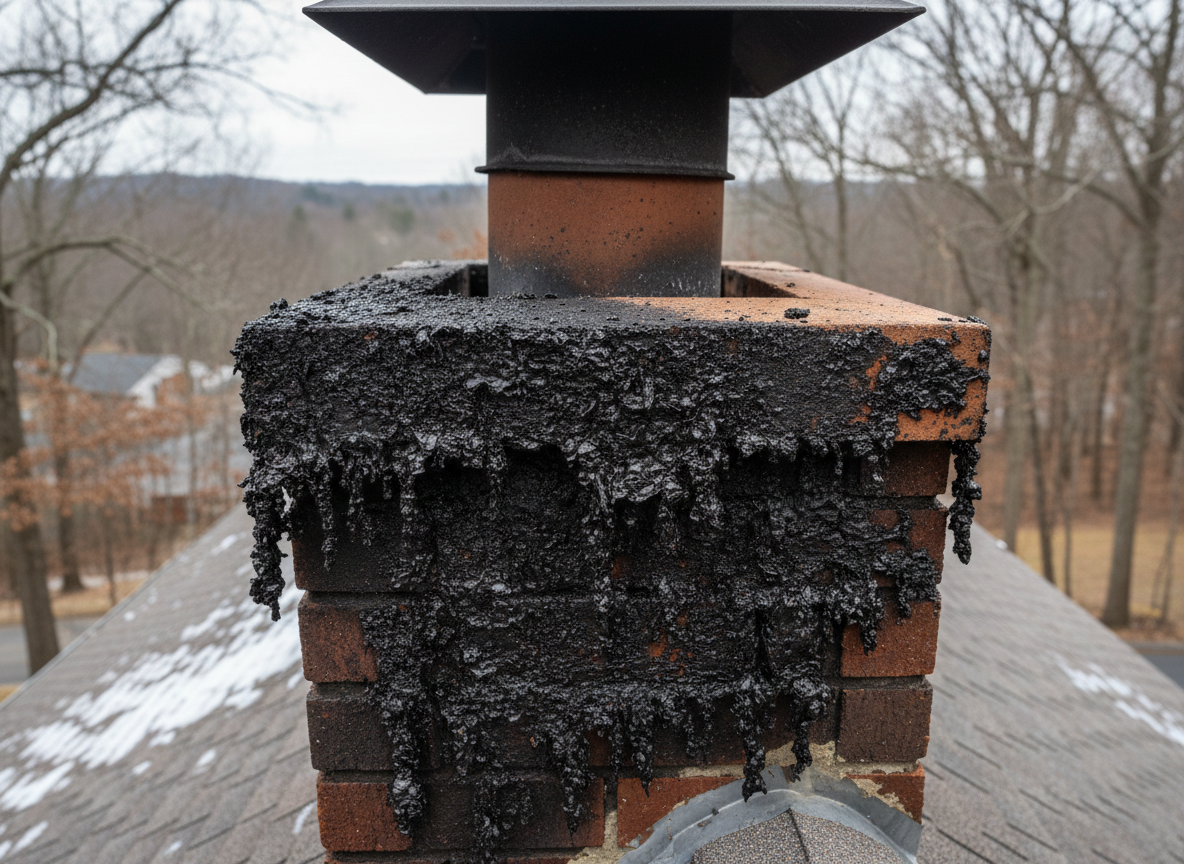
Creosote buildup after a Mint Hill winter typically appears as dark, tarry layers 1/8 inch thick or more inside the flue, especially in homes that burned hardwood several times a week during the mild season. Mecklenburg County’s humid subtropical climate keeps moisture levels high enough to turn smoke residue into this sticky substance even when temperatures rarely drop below freezing.
How Winter Use Affects Creosote in Local Chimneys
Mint Hill homes in neighborhoods like Bainbridge often feature brick chimneys built decades ago that trap more residue because the flues run cooler than modern metal systems. The area’s mild winters mean fireplaces see intermittent use rather than daily burning, yet the combination of cool nights and daytime humidity still allows creosote to form in stages. Residents near Mint Hill Veterans Memorial Park report the same pattern: a thin layer after Thanksgiving fires thickens by February when occasional cold snaps prompt heavier use. This gradual buildup differs from Charlotte’s faster accumulation because Mint Hill sits slightly farther from urban heat islands, allowing more overnight condensation inside the chimney.
Visual Clues Inside the Flue
Open the damper and shine a bright flashlight upward to look for shiny black or brown streaks along the interior walls. Fresh creosote often looks glossy and feels tacky, while older deposits turn dull and flaky, sometimes hanging in sheets that can drop when disturbed. In stone or brick chimneys common throughout The Farm at Mint Hill, check the corners first because smoke lingers there longest. Measure any deposit thicker than 1/8 inch with a small ruler or marked stick; anything approaching 1/4 inch warrants immediate professional attention before spring rains increase moisture.
Changes in Smell and Draft Performance
A sharp, acrid odor rising from the fireplace on warm days signals creosote that has absorbed humidity and begun to re-emit volatile compounds. Homeowners also notice slower draft when starting fires or small puffs of smoke entering the room during gusty spring weather. These symptoms appear more frequently in east-facing chimneys exposed to prevailing winds off the Charlotte metro area. If the damper sticks or requires extra force to open, creosote may have narrowed the flue opening by 20 percent or more.
When to Schedule Professional Inspection
Schedule a chimney inspection service once you see any of the signs above, especially if your home sits in Bainbridge or nearby subdivisions where older masonry requires extra care. A technician can measure exact thickness and determine whether the buildup has reached the third stage that becomes highly combustible. Pairing this check with chimney cleaning service removes the deposits before they harden further under summer humidity. For seasonal timing advice, review Preparing Your Chimney For Fall Before The First Cold Snap to plan the next maintenance cycle.