2026-10-24 ·
Common Draft Problems In Mint Hill Homes Built In The 1980s
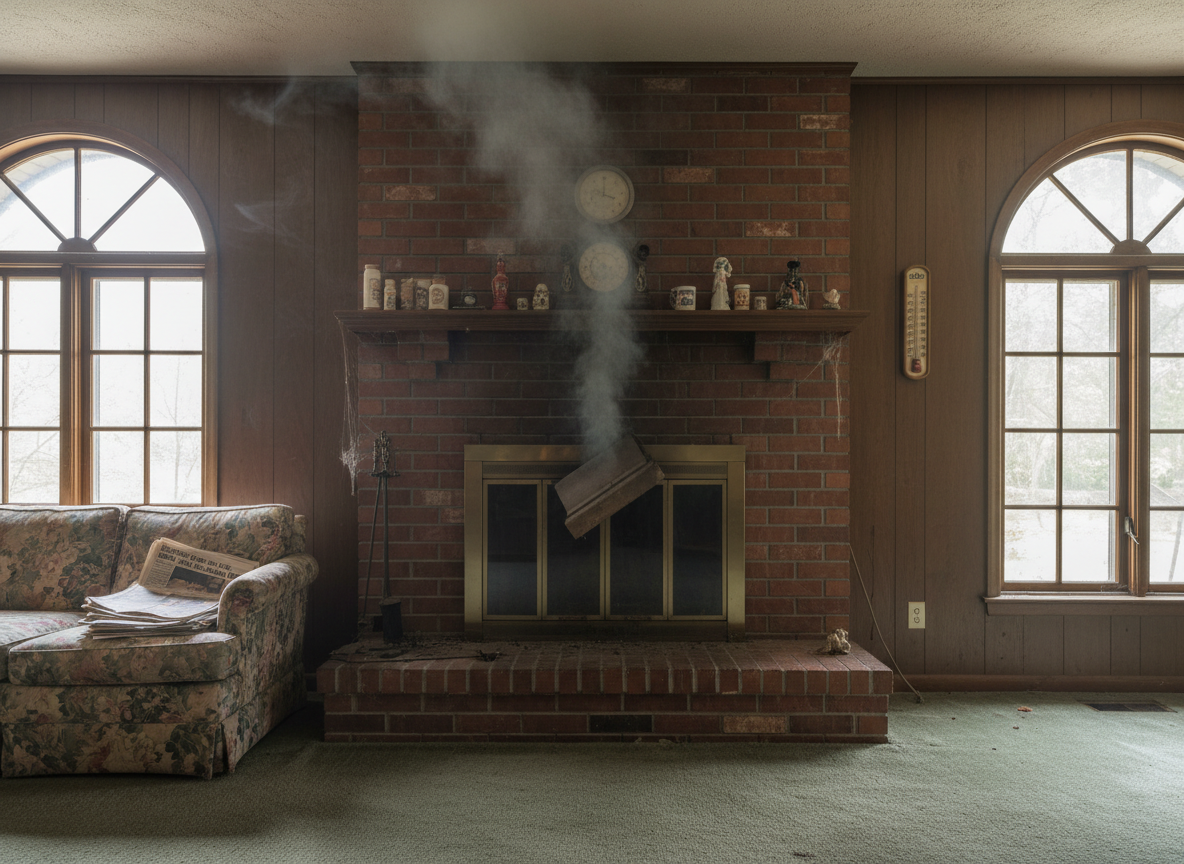
Mint Hill homes constructed in the 1980s commonly experience draft problems when chimney stacks settle unevenly on the region's clay-heavy soils, creating gaps around the flue that pull cold air into living spaces during winter temperature swings.
Chimney Settling Patterns in 1980s Mint Hill Construction
Homes in neighborhoods such as Bainbridge and The Farm at Mint Hill often rest on expansive clay soils common throughout Mecklenburg County. Builders in the 1980s frequently used standard brick chimneys without modern reinforcement, allowing gradual movement that cracks mortar joints and separates flue tiles. These shifts open pathways for outside air to enter, especially noticeable near fireplaces during the mild winters typical of the humid subtropical climate. Over decades, repeated freeze-thaw cycles, even if brief, widen those cracks. Residents near Mint Hill Veterans Memorial Park report similar issues in ranch-style and two-story homes from that decade. Addressing settling requires targeted masonry work rather than surface patches to restore a tight seal.
Role of Humid Subtropical Climate in Draft Formation
Mint Hill's hot summers and mild winters accelerate moisture cycling through chimney masonry. Humidity drives water vapor into porous brick and mortar, then cooler nights cause condensation that erodes joints over time. In 1980s homes, many chimneys lack modern caps or proper flashing, allowing rain to enter and freeze in small fissures during occasional cold snaps. This repeated wetting and drying loosens components and creates the draft paths homeowners feel as sudden cold spots. Proximity to Charlotte means occasional stronger wind events that push air through these openings more aggressively than in drier regions. Regular inspection catches early erosion before it turns minor gaps into persistent airflow issues.
Common Draft Locations and Signs in Local Homes
Drafts most often appear at the damper area, around the firebox, or where the chimney meets the roofline in 1980s Mint Hill houses. Homeowners notice uneven heating in rooms adjacent to the chimney or a persistent smoky smell when the fireplace is unused. In areas like Bainbridge, tree cover can increase localized wind pressure on chimneys, worsening infiltration. Checking for visible mortar loss or displaced bricks during fall helps identify problems before winter. These signs differ from general house drafts because they concentrate around the chimney structure rather than windows or doors.
Practical Steps to Reduce Drafts
Start by confirming the chimney is the source through a smoke test on a calm day. Seal accessible gaps with high-temperature caulk where appropriate, but avoid covering structural issues. For deeper problems such as missing or damaged liners, professional relining restores the flue's integrity and stops air movement. Chimney relining addresses the root cause in many 1980s structures. Pair this with chimney repair near me services that understand Mecklenburg County soil conditions. After heavy spring rains, review related flashing details as outlined in Chimney Flashing Repair After Heavy Spring Rains Near Charlotte to prevent new entry points. Preparing early with guidance from Preparing Your Chimney For Fall Before The First Cold Snap limits winter drafts effectively.